Industry Served: Social & Community
Preserving Viking Heritage Through
Citizen-Powered Research
Digitising Europe's Viking Heritage
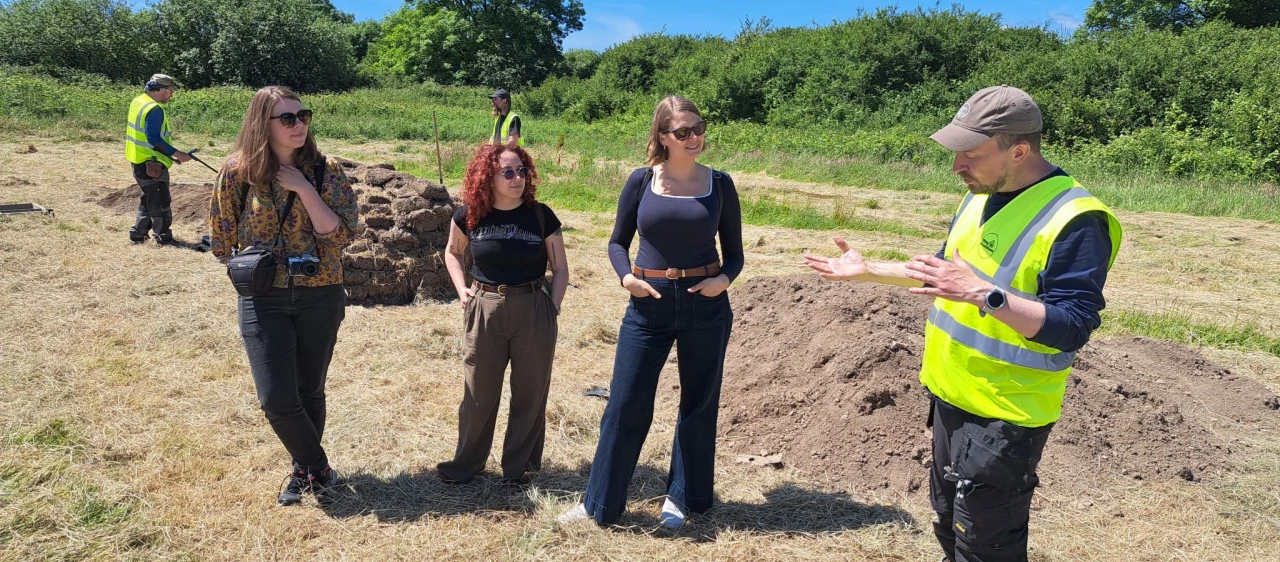
iVIKING is an EU-funded research initiative led by University College Cork (UCC) that aims to preserve and document Viking heritage across Europe through public participation. Instead of relying solely on archaeologists and historians, the project empowers citizens to contribute photographs of Viking-inspired artefacts, historical sites, reenactments, graffiti, souvenirs, and cultural traces using a mobile application.
To support this initiative, we designed and developed a complete digital ecosystem consisting of a mobile application for contributors and a web-based research platform for moderators and researchers. The solution enables community-driven data collection, structured moderation, digital archiving, and engagement through gamification.
Discuss your project
Project Challenges and Needs
Maintaining Research Quality
Every submission required validation before becoming part of the official archive, demanding an efficient moderation workflow.
Encouraging Public Participation
The project needed a simple and rewarding user experience that encouraged continuous community engagement.
Managing Research Operations
The growing number of contributors and submissions required a central platform for moderation, reporting, and archive management.
Collecting Heritage Data at Scale
Researchers needed an efficient way to gather Viking-related photographs from contributors across multiple European countries while maintaining structured and reliable data.
Organising Heritage Information
Researchers required a structured taxonomy for categorising submissions while ensuring consistent metadata across the archive.
Our Solution
We developed a complete citizen science platform that connects contributors and researchers through a seamless digital workflow.
The mobile application allows users to capture, categorise, and submit Viking-related photographs, while the Admin Portal enables moderators to review, approve, organise, and synchronise verified content with the project's digital archive.
By combining mobile technology, structured moderation, and gamification, the platform transforms heritage documentation into an engaging community-driven experience.
Bringing Research to Life
Imagine a family visiting a Viking museum in Denmark.
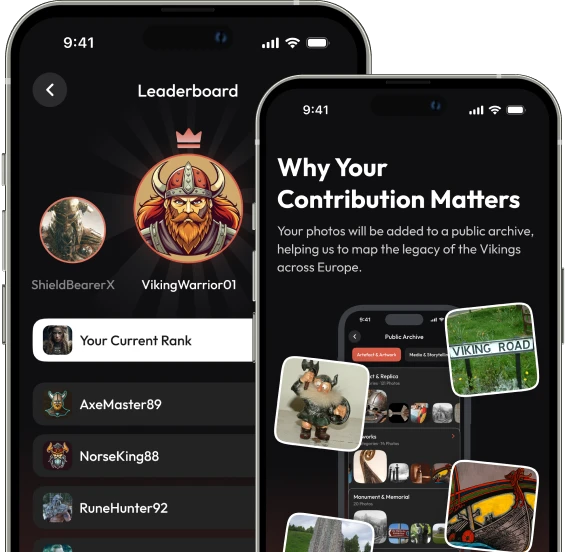
Using the iVIKING mobile app, they photograph a reconstructed Viking helmet, select the appropriate category, and submit it within minutes. Immediately, they receive an interesting Viking fact along with a related image from the archive.
The submission enters the moderation queue, where researchers review its authenticity, refine metadata if needed, and approve it. Once approved, the contribution becomes part of the official iVIKING archive, preserving another piece of Europe's Viking heritage for future generations.
Why This Solution Matters
The platform transforms public interest into meaningful research contributions while ensuring every submission meets academic standards.
Research Challenges
Heritage discoveries scattered across multiple countries
Manual collection and validation of research material
Limited public engagement in archaeological research
Time-consuming moderation and categorisation
No structured contributor recognition
Platform Impact
Community-driven heritage collection
Streamlined submission and moderation workflow
Structured metadata using controlled vocabulary
Gamified experience through badges and leaderboards
Automated archive synchronisation
Interfaces We Developed
To support contributors and researchers, we designed dedicated interfaces that simplify heritage collection, moderation, and archive management.

Mobile Application
An intuitive mobile experience that enables users to capture, tag, and submit Viking-related discoveries while tracking their contribution history and achievements.

Research Admin Portal
A central dashboard where researchers review submissions, approve or reject content, manage categories, and monitor project activity.

Archive Management
Provides researchers with tools to organise approved content, update descriptions, manage metadata, and maintain a structured digital collection.

Analytics & Reporting
Offers real-time insights into contributor activity, submission trends, approval rates, and research statistics through interactive dashboards.
Core Features & Capabilities
Photo Capture & Submission
Users can upload photographs directly from their camera or gallery with automatic timestamp recording and optional GPS location.
Smart Categorisation
Each submission is tagged using a controlled research vocabulary to ensure consistent classification across the archive.
Research Moderation
Researchers review every submission, edit metadata when required, and approve only verified contributions for publication.
Omeka Archive Integration
Approved submissions are automatically synchronised with the Omeka archive, ensuring only validated content becomes publicly accessible.
Heritage Discovery Rewards
Every contribution rewards users with a "Did You Know?" Viking fact and a related archive image, making participation educational and engaging.
Contribution Tracker
Users can monitor submitted, approved, pending, and rejected contributions through a dedicated dashboard.
Badges & Leaderboards
Achievement badges and contributor rankings encourage ongoing participation and strengthen community engagement.
Content Management
Researchers can manage categories, subcategories, tags, educational blurbs, FAQs, policies, and archive content from a central CMS.
Citizen Research
Journey
01
Register
Create an account and learn how to contribute to preserving Viking heritage.
02
Capture
Take a photograph or upload an existing image of a Viking-inspired object, location, or cultural reference.
03
Categorise
Select relevant categories and tags using the project's controlled vocabulary.
04
Submit
Upload the contribution and instantly receive educational content related to the selected category.
05
Moderation
Researchers review the submission, refine metadata if necessary, and approve verified content.
06
Archive
Approved submissions become part of the official iVIKING digital archive.
Research Management
Platform
Dashboard
Monitor submissions, approvals, user registrations, and recent activity through a central research dashboard.
Submission Review
Review photographs, metadata, timestamps, GPS information, and contributor details before approval.
Archive Management
Maintain approved heritage records, edit descriptions, update metadata, and manage archive visibility.
Vocabulary Management
Create and maintain controlled categories, subcategories, tags, and educational blurbs.
Reports & Analytics
Generate exportable reports showing submission trends, approval rates, contributor demographics, and category insights for research publications and EU reporting.
Outcomes & Impact
01
Community-Driven Research
Enabled citizens across Europe to actively contribute to academic heritage research through a simple mobile experience.
02
Faster Research Workflows
Centralised moderation significantly reduced the time required to validate and organise submissions.
03
Higher Public Engagement
Gamification, educational rewards, and achievement badges encouraged repeat participation and long-term engagement.
04
Improved Data Quality
Controlled vocabulary, structured metadata, and researcher review ensured consistent and reliable archive records.
05
Centralised Digital Archive
Researchers can manage and preserve thousands of verified heritage contributions from one unified platform.
06
Scalable Research Infrastructure
Built to support expanding contributor communities, additional countries, and multilingual content as the project grows.
Technologies Used
Frontend
React.js
Built a responsive research portal for administrators and moderators with a clean, intuitive interface

React Native
Developed a cross-platform mobile application for seamless contribution on both Android and iOS devices.
Redux
Managed application state efficiently across user journeys and moderation workflows.
Backend
Node.js
Powered secure APIs for user management, submissions, moderation, and archive synchronisation.

Express.js
Provided a scalable backend framework for handling business logic and research workflows.
Database

PostgreSQL
Stored user profiles, contribution records, metadata, badges, and moderation history securely.
Notifications

Push Notifications
Informed contributors when submissions were approved, rejected, or required further review.
Cloud & Storage

Omeka Integration
Automatically synchronised approved submissions into the official digital heritage archive, ensuring a curated public collection.

Cloud Storage
Securely stored uploaded images before moderation and archive synchronisation.
Authentication & Security

JWT Authentication
Protected contributor and researcher accounts using secure token-based authentication.

GDPR Compliance
Implemented consent management, secure data handling, and EU-compliant storage practices for participant information.
DevOps & Deployment
Docker
Containerised the platform for reliable deployments across development and production environments.
CI/CD Pipeline
Automated testing and deployments for faster releases and improved platform stability.
Here’s what the client has to say!
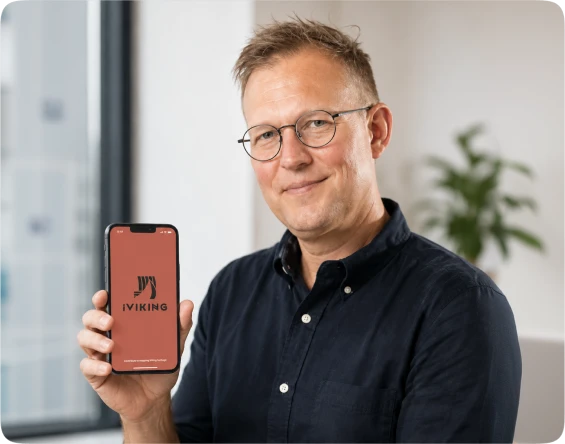
The iVIKING platform has transformed how we engage communities in preserving Viking heritage. It gives researchers a structured moderation workflow while making it easy and rewarding for citizens to contribute to an important European research initiative.
Get in touch
Share a few details about what you're building, and we'll take it from there.